Sequestration hits Arkansas education funding hard
Arkansas is starting to feel the effects of the sequester, or sequestration; cuts in federal spending that went into effect on March...


Immigration reform: A boon to the Arkansas economy
We know a key to our state's economic future is ensuring that the children of Arkansas's immigrants have opportunities to succeed, as...


Pre-K closes the education gap
Two new studies on the Arkansas Better Chance (ABC) Pre-K Program find that it has meaningful impact on children who participate. More...


Number of uninsured kids on the decline
The number of uninsured children in Arkansas has declined over the past year, now totaling only six percent. Thanks to ARKids First...


- View All

Follow Us RSS

Twitter


Facebook


You Tube


What's Happening What's New Sign Up for AACF Action Alerts Subscribe to Our Email Newsletters Join The Kids Count Coalition
Juvenile Justice

The prevention of juvenile crime through after-school and summer programs, access to mental health care and early intervention services is cost effective and it is being "smart on crime." A child's capacity to fully understand the implications of their actions is not the same as an adult. A system developed to deal with juvenile offenders must be restorative and treatment oriented.


RECENT REPORTS


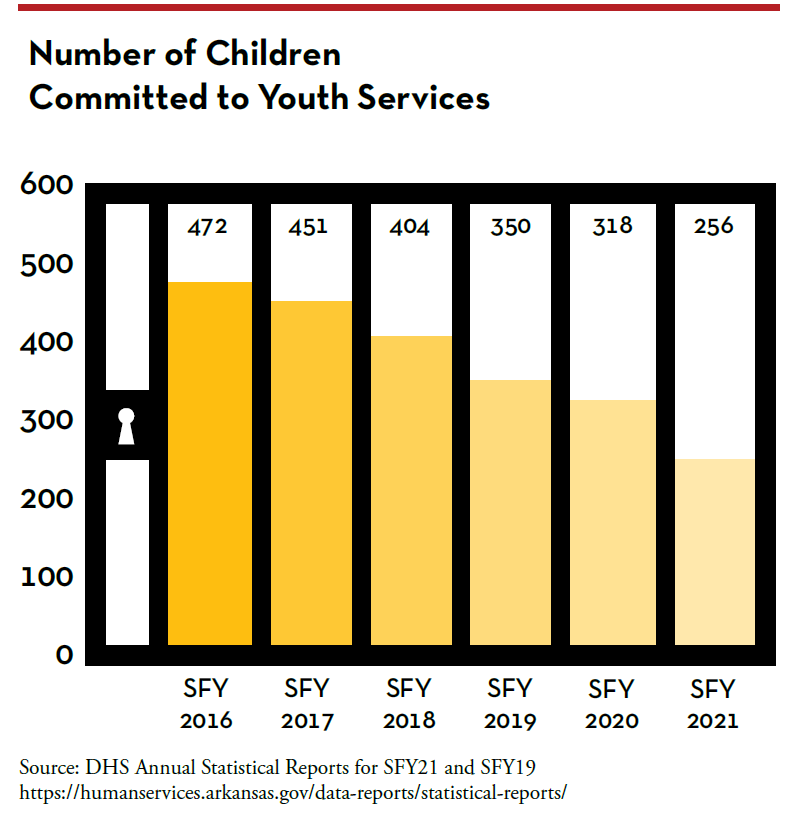
The National Center for Youth Law and the National Council on Crime and Delinquency recently released Arkansas Youth Justice: The Architecture of Reform. The report details efforts to transform the juvenile justice system in Arkansas. The gist? Efforts by government officials, advocates, judges, service providers, youth, and their families have reduced the state's reliance on secure confinement for children in the juvenile justice system. For a series of recommendations and goals, read this analysis from the National Center for Youth Law.

Serving Non-Violent Youthful Offenders in Their Communities: The Costs and Benefits of a More Effective Juvenile Justice System for Arkansas talks about how locking up non-violent youthful offenders is costly and ineffective. Using community-based alternatives to incarceration - like education, job training, drug treatment, and rehabilitation programs - saves the state $41,786 per youth and reduces their chances of ending up back in the juvenile justice system.

Juvenile Justice in Arkansas: Building on Success describes how far Arkansas has come in reforming the juvenile justice system and lays out a plan for moving forward. The state's laws, regulations, and practices must align with its commitment to a system of juvenile justice that will effectively serve youth for the long term. A thoughtful, engaged, and community-driven approach can reduce the incarceration of low- and moderate-risk youth. Reinvesting state savings in proven-effective, community-based alternatives is the most promising way to ensure that our continued successes builds on what we've accomplished thus far. 

Related Material

Brain research is providing new insights into what drives teenage behavior, moving lawmakers to rethink policies that treat them like adults.

The Northwestern Juvenile Project (NJP) studies a randomly selected sample of 1,829 youth who were arrested and detained in Cook County, IL, between 1995 and 1998.


Reforming the Arkansas Juvenile Justice System

During the past three years Arkansas has created a task force of stakeholders, commissioned a comprehensive review of its juvenile justice system, developed a vision and set long-term goals for system change, and held regional meetings to discuss the comprehensive strategy for making changes and reforming the state's approach to juvenile justice. These include redirecting resources  from incarceration and punishment to prevention and treatment to ensure more effective and less costly services, leading to greater public safety for the citizens of the state. This means that youth and their families receive services in the community where they live, that these services are evidence-based and show effective outcomes, and that they are strength-based and empower youth and families to succeed.

AACF Commends Reductions in Youth Incarceration; Calls For Permanent Shift in Juvenile Corrections
October 4th 2011

After-School Framework Becomes Law 
March 4th 2011

You can help reform the juvenile justice system in Arkansas:

  • Use the "Truth of Youth" toolkit created to help advocates educate the public about the need for reform in Arkansas.

Arkansas Advocates for Children & Families
Union Station - 1400 West Markham Suite 306 - Little Rock, AR 72201
Phone: (501) 371-9678 - Fax: (501) 371-9681 - Email: info@aradvocates.org